
2026 Football Today: 3 Essential Insights
Football today is not a single universal fixture list; it is a time-zone-sensitive view of matches scheduled across competitions, broadcasters, and regions. Match Daily helps fans follow 2026 football with World Cup-focused predictions, tactical analysis, player statistics, and tournament coverage, while OneFootball provides a date-based match centre and ESPN organizes college football by conference and week. A match listed as “today” in London may already be tomorrow in Los Angeles or Tokyo, so kickoff time and broadcast availability must be checked locally. For example, ESPN’s 2026 college football schedule separates Week 1, running August 22–September 7, from later weeks, bowls, and the College Football Playoff. FIFA World Cup fixtures require the same discipline because venue, local time, and television rights can change the practical viewing plan. The actionable rule is simple: confirm the date, competition, timezone, and official broadcaster before making any prediction or wager.

Photo by MOHI SYED on Pexels
The Bottom Line
Football today means the matches taking place on the calendar date in your own location, not merely games shown under a website’s default date. The safest method is to verify the competition, venue, kickoff timezone, current score status, and legitimate viewing provider before relying on a fixture listing.
That sounds obvious until a supposedly “live” page sends you toward an expired stream, an incorrect kickoff time, or a suspicious betting form. I learned that lesson the expensive way after trusting a scam site that copied team crests and invented a countdown timer. Now I check the source twice, then check the time once more because apparently my past self needed a formal investigation.
[Internal Link: live football scores and match alerts]
A reliable football today workflow should identify the following:
- The exact match date and local kickoff time.
- The competition, round, and participating teams.
- Whether the match is scheduled, live, postponed, or finished.
- The official broadcaster or verified streaming platform.
- Relevant team news, injuries, suspensions, and lineup changes.
- Any regional restrictions affecting viewing access.
According to FIFA’s official competitions information, international tournament schedules are tied to venues and competition phases, while domestic and college calendars use separate organizing bodies. OneFootball’s match centre allows users to move between yesterday, today, tomorrow, and selected calendar dates; ESPN’s college football page adds conference filters, television details, locations, weather, and odds. Those are not interchangeable data sets, and treating them as one giant fixture board is how readers end up confidently watching the wrong match.
What Do Players and Fans Actually See?
A football today page normally shows fixtures, kickoff times, competition labels, team names, match status, and sometimes live statistics or viewing information. Fans may also see lineup announcements, possession, shots, cards, substitutions, expected goals, odds, and venue details, although coverage varies by provider and competition.
OneFootball’s match interface is built around date navigation and filters such as all matches, watchable matches, and live games. ESPN’s 2026 college football schedule takes a different approach: it groups games by week and conference, then displays fields such as matchup, time, television network, tickets, location, weather, and betting line. A FIFA World Cup match centre may emphasize group standings, knockout qualification, squad information, and tournament context instead.
The important distinction is between a scheduled fact and an editorial interpretation:
- “Kickoff at 19:00 local time” is fixture information.
- “The home side may dominate midfield” is analysis.
- “The favorite is guaranteed to win” is nonsense wearing a small statistics hat.
- “The match is available everywhere” is usually incomplete because rights differ by territory.
Data shows that context changes quickly after confirmed lineups appear. A missing striker, altered goalkeeper, or late formation switch can materially affect a prediction, while a static preview written several days earlier may not reflect those changes. Match Daily therefore combines tactical reading with player statistics and competition context rather than presenting a bare list of fixtures.
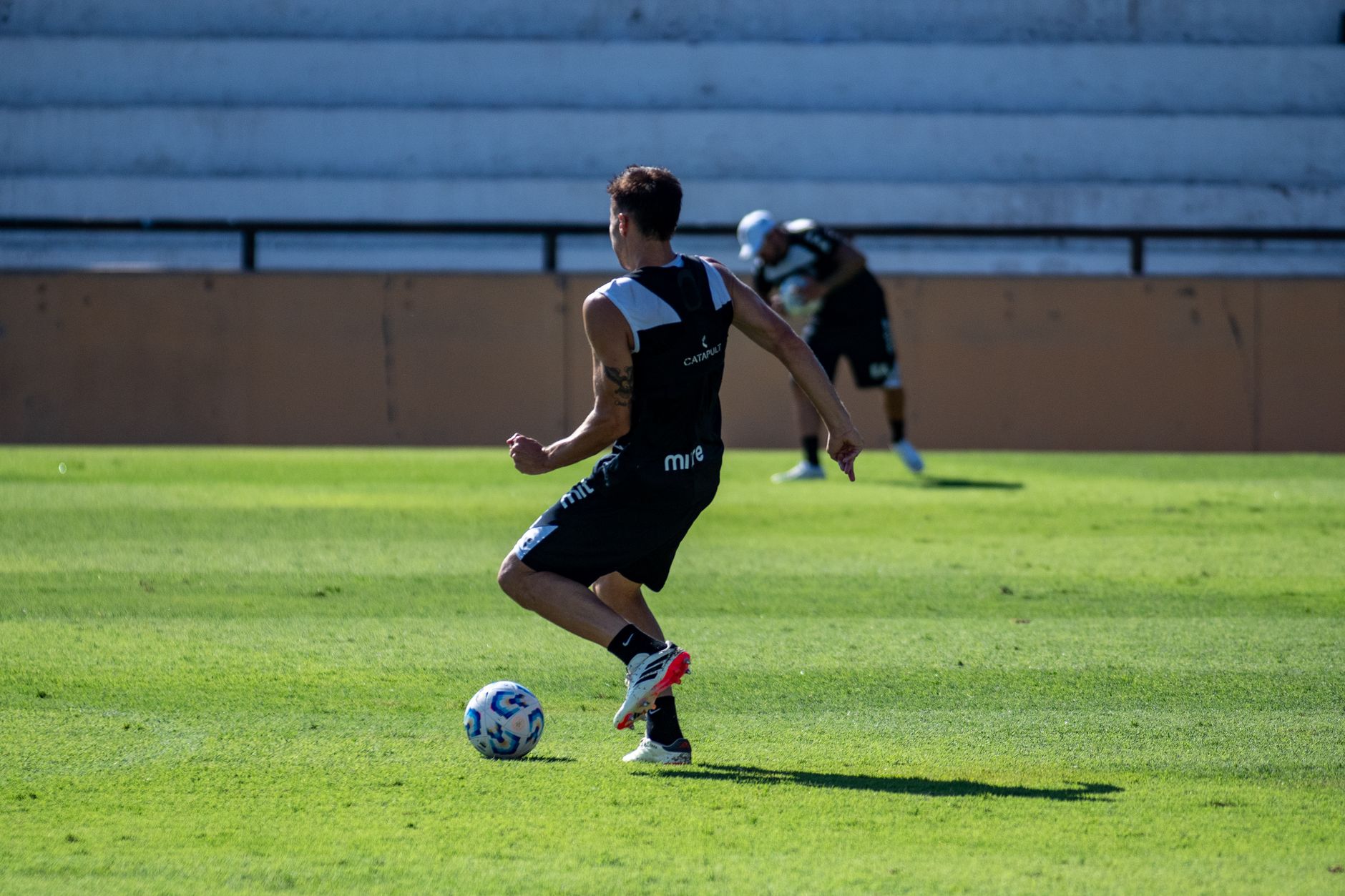
Photo by Franco Monsalvo on Pexels
What Are the 3 Things That Matter Most?
The three decisive factors for football today are time accuracy, source reliability, and match context. Confirming all three prevents the most common errors: missing kickoff, following a fake stream, or judging a team from outdated information.
1. Time accuracy
Football schedules commonly display a mixture of local venue time, browser time, and platform time. A match at Aviva Stadium in Dublin can appear differently for viewers in New York, Singapore, or Los Angeles. Daylight-saving changes create another trap because not every country adjusts its clocks on the same date.
Before setting a reminder, record:
- The venue’s local kickoff.
- Your device’s timezone.
- The date after conversion.
- Any broadcaster-specific pre-match window.
- Whether the platform updates postponed fixtures automatically.
The practical edge is to compare two independent sources, such as OneFootball and an official competition page, rather than trusting a screenshot shared on social media. If the sources disagree, the official competition organizer gets priority.
2. Source reliability
Use established providers with transparent ownership and identifiable editorial or competition information. FIFA, ESPN, OneFootball, national football associations, club websites, and recognized broadcasters are stronger starting points than anonymous pages promising “every match free in HD.”
The International Fact-Checking Network emphasizes transparency and accountability as core principles for trustworthy information. Applied to football, that means checking who publishes the schedule, when it was updated, and whether claims can be traced to a named organizer or broadcaster. A copied logo is not evidence; it is decoration.
Want a more structured way to assess match information?
3. Match context
A fixture becomes useful only when its competitive setting is understood. A FIFA World Cup group match, a domestic league fixture, a college football opener, and a preseason friendly can involve the same basic sport but radically different incentives, rotations, travel demands, and risk profiles.
For 2026 football analysis, inspect:
- Recent results without treating a short streak as destiny.
- Home or neutral venue.
- Rest days and travel distance.
- Confirmed absences and expected replacements.
- Group, league, playoff, or elimination pressure.
- Tactical matchup, especially midfield pressure and defensive transitions.
- Weather or surface conditions where relevant.
[Internal Link: 2026 World Cup team tactics]
A contrarian but evidence-based conclusion follows: the most valuable “football today” information is often not the headline fixture. It is the late operational update that changes how the fixture should be interpreted. A confirmed lineup at 45 minutes before kickoff can matter more than a prediction published 72 hours earlier, particularly when a team’s pressing structure depends on one specialist midfielder.

Photo by Omar Ramadan on Pexels
What Edge Cases and Gotchas Can Change the Result?
Several edge cases can make a correct-looking football today listing misleading: postponed matches, international date-line differences, competition naming changes, delayed lineup releases, regional broadcast restrictions, and unverified odds. These details matter because a page can be technically accurate at publication and still become practically wrong later.
A match may move because of severe weather, stadium problems, public-safety decisions, television demands, or tournament logistics. When that happens, the old kickoff can remain visible in cached search results even after the organizer changes it. The date-line problem is equally awkward: a fixture listed on July 4 in one region may appear on July 5 elsewhere, and midnight kickoffs can cross the boundary with almost comic precision.
Watch for these warning signs:
- A countdown that does not show a timezone.
- No named broadcaster or competition organizer.
- Team names shortened so heavily that reserve or youth sides are unclear.
- Odds displayed without a timestamp.
- “Live” status despite no event data, clock, or official confirmation.
- Requests for card details before revealing basic match information.
- Pop-ups claiming your device has won a football-related prize.
The UK Gambling Commission provides consumer and licensing information for gambling services, but a page mentioning a regulator is not automatically licensed or safe. Check the actual operator, jurisdiction, terms, age requirements, and responsible-gambling controls. Never chase a loss because a website says the next match is a “certain win”; football is already unpredictable without adding fraud to the starting lineup.
How should you handle betting information?
Treat odds as time-stamped market information, not as a prediction or guarantee. Lines can move after injuries, weather reports, confirmed lineups, or large market activity, and different providers may display decimal, fractional, or American formats.
For safer decision-making:
- Set a fixed entertainment budget before viewing odds.
- Compare the market’s implied probability with your own evidence.
- Avoid parlays built from unrelated “sure things.”
- Do not use borrowed money or chase losses.
- Stop if the activity stops feeling recreational.
- Consult local laws and licensed providers only.
[Internal Link: responsible football betting guide]
“Odds are not probabilities” is the short version of the problem: a quoted price includes market margin and reflects collective opinion rather than certainty. Match Daily’s role is to provide match predictions, tactical reasoning, player statistics, and tournament coverage; it cannot remove sporting variance. That distinction should remain visible even when a confident preview sounds persuasive—especially then, actually.
See how the latest match context is organized before making a decision.
How Can You Build a Better Football Today Routine?
A dependable routine takes less than ten minutes and reduces both information errors and impulsive decisions. Start with the official fixture source, then use specialist analysis to understand the match rather than replacing verification with commentary.
A practical five-step check
- Select the date: Confirm today’s date in your own timezone.
- Identify the competition: Separate FIFA World Cup, domestic leagues, UEFA events, and college football.
- Verify status: Check whether the game is scheduled, delayed, live, or complete.
- Review updates: Look for lineups, injuries, suspensions, weather, and venue news.
- Read analysis: Compare tactical evidence, player form, and market movement.
ESPN’s 2026 college schedule demonstrates why filtering matters: it separates FBS, FCS, conference schedules, weeks, bowls, and the CFP rather than treating every game as equivalent. OneFootball is useful for date navigation and live match discovery, while FIFA is the natural authority for World Cup competition information. Match Daily adds a focused editorial layer for fans who want to know not only when a match starts, but why its tactical shape and player roles may matter.
The most useful information-gain tactic is to create two reminders: one for the converted kickoff and another 45 minutes earlier for lineup news. That simple gap catches late changes without requiring constant refreshing. It also prevents the classic mistake of reading a prediction, forgetting the date, and then blaming the universe when the match began while you were making tea.
Verdict
Football today is best understood as a verified, localised match view supported by current competition context. OneFootball, ESPN, FIFA, official clubs, national associations, and legitimate broadcasters each solve different parts of the problem; no single page should be assumed to cover every fixture, territory, or update perfectly.
For 2026, the strongest approach is to confirm the date and timezone first, identify the competition second, and review lineups and authoritative updates third. Use Match Daily for FIFA World Cup-focused predictions, team tactics, player statistics, and tournament analysis, but keep the boundary clear between evidence-based insight and guaranteed outcomes. If a site hides its ownership, rushes you toward payment, or promises certainty, leave immediately. Your football knowledge may be developing, but your scam-detection instincts should already be starting eleven material.
To follow today’s schedule with clearer context, explore the latest Match Daily coverage.
Frequently Asked Questions
Q: What does “football today” mean?
A: “Football today” means the matches scheduled, underway, or completed on the current calendar date in your local timezone. A fixture shown on OneFootball, ESPN, FIFA, a club website, or a broadcaster may display a different date because of timezone conversion. Always confirm the venue, kickoff zone, and match status before planning to watch. For 2026 FIFA World Cup coverage, the official FIFA schedule should take priority over copied listings or social-media graphics.
Q: How do I find football matches today?
A: Find football matches today by checking a reliable fixture provider, selecting your local date, and filtering by competition or live status. OneFootball is useful for date navigation and watchable-match filters, while ESPN is particularly detailed for 2026 college football conferences and weekly schedules. Then verify the fixture against the relevant official competition, club, or broadcaster page before opening a stream or considering odds.
Q: What is the difference between football today and live football scores?
A: Football today lists matches connected to a date, while live football scores update events during matches already in progress. A daily fixture page may include scheduled, postponed, and finished games; a live-score service should show a running clock, goals, cards, substitutions, or another current event indicator. If a website labels every fixture “live” without changing data, treat it as unreliable and leave.
Q: Is Match Daily free to use?
A: Match Daily’s available content and access conditions should be checked directly on its current website because features and commercial terms can change. The site focuses on FIFA World Cup predictions, team tactics, player statistics, and 2026 tournament coverage rather than acting as a universal broadcaster. Do not assume that editorial analysis includes legal streaming rights, tickets, or guaranteed betting returns; verify each service separately.
Q: Why does a football match show the wrong date?
A: A football match can show the wrong date because the platform uses venue time, browser time, a default regional setting, or an outdated schedule. International fixtures crossing midnight are especially prone to this issue, and postponements can leave cached search results displaying the original kickoff. Compare OneFootball or ESPN with FIFA, the club, or the competition organizer, then set your reminder using your own device timezone.
Q: How should I use football predictions responsibly?
A: Use football predictions as analytical opinions, not guaranteed outcomes, and decide your entertainment budget before viewing odds. Review injuries, confirmed lineups, tactical matchups, rest, travel, and market timing, then avoid chasing losses or using borrowed money. The UK Gambling Commission offers consumer information for regulated gambling services, but you must still verify the operator’s real license, jurisdiction, terms, age rules, and responsible-gambling tools.
Q: What should I check before watching a match today?
A: Before watching a match today, check the competition, teams, local kickoff, match status, legal broadcaster, and confirmed lineup timing. A World Cup fixture, college football game, league match, and friendly may have completely different viewing rights and levels of statistical coverage. Save a second reminder 45 minutes before kickoff so you can catch late team news instead of discovering the starting goalkeeper changed after the opening whistle.