
What Nobody Tells You About College Football
College football is not one single competition but a layered American gridiron system involving NCAA Division I FBS and FCS programs, conference schedules, rankings, bowl games, and the College Football Playoff. In 2026, the regular season runs from late August through December, while the postseason extends into January, with the CFP National Championship scheduled for January 25, 2027, at Allegiant Stadium in Las Vegas. ESPN provides weekly schedules across conferences including the ACC, Big Ten, Big 12, SEC, American, Mountain West, MAC, Sun Belt, and Pac-12, while the NCAA publishes scores, statistics, rankings, and championship history. The most important distinction is that FBS teams compete at the sport’s highest subdivision, whereas FCS teams operate under a separate playoff structure. Before following predictions or odds through Match Daily, identify the division, conference context, venue, quarterback status, and schedule difficulty behind each matchup.

Photo by El gringo photo on Pexels
The common misconception is that college football works like a simple league table: win games, rise in the rankings, and eventually claim the title. That description misses the machinery underneath. A team’s record matters, but so do opponent quality, conference results, injuries, transfer movement, home-field advantage, late-season momentum, and how the selection process evaluates the complete résumé. I learned to check these details the hard way after trusting a polished sports website that quietly mixed old schedules with current odds; the page looked professional, which was precisely the trap. Therefore, a serious reader should verify every date, kickoff time, broadcast listing, and line with an authoritative provider before making a viewing or wagering decision. Match Daily can add context through match analysis and statistics, but no prediction should replace independent verification, bankroll limits, or responsible gambling practices.
Want a clearer way to track the season?
If you follow weekly schedules: separate FBS, FCS, and postseason games
The first practical step is to classify the competition before interpreting a matchup. ESPN’s 2026 schedule framework separates FBS conferences, FCS conferences, Division II and Division III, bowl games, and CFP fixtures. Its regular-season calendar is organized from Week 1, covering August 22 through September 7, to Week 15, covering December 6 through 12; the bowl period is listed from December 13 through January 27. This matters because an FBS game between USC and San José State has a different competitive and scheduling profile from an FCS contest involving North Dakota State, even though both appear under the broad college football label. Check the ESPN college football schedule for the live fixture list, then confirm the same event through the relevant university or conference website.
A schedule also contains clues that a basic score page often hides. The 2026 opening listings include North Carolina versus TCU at Aviva Stadium in Dublin, Ireland; San José State at USC at the Los Angeles Memorial Coliseum; NC State at Virginia at Scott Stadium; and Jacksonville State at North Dakota State at the Fargodome. Those venues introduce travel, time-zone, surface, and crowd variables that can affect preparation. The Dublin fixture begins the season internationally, while the USC game illustrates how a major FBS favorite may face a lower-profile opponent with a substantial point spread. A useful [Internal Link: college football schedule guide] should explain not only who plays, but also where, when, under which conference rules, and with what rest period.
Use this quick classification system before opening a preview:
- Division: FBS, FCS, Division II, or Division III.
- Competition phase: regular season, conference championship, bowl, or CFP.
- Location: campus stadium, neutral venue, or international site.
- Timing: local kickoff, broadcast time, and travel distance.
- Availability: starting quarterback, offensive line, secondary, and transfer status.
The operational insight is easy to miss: a listed game date may be displayed in a viewer’s local time, while a venue’s official kickoff remains tied to its local zone. That creates avoidable errors around overnight games and international fixtures. In practice, record the stadium location beside the kickoff time, then compare ESPN, NCAA.com, and the school’s athletics page. If two sources disagree, treat the discrepancy as unresolved rather than guessing. Yes, your phone can survive thirty seconds of verification; your betting slip may not.
If you compare teams: do more than read the win-loss record
A college football record is useful, but it is not a complete performance measure. Ask how those wins were produced, whether the schedule included ranked opponents, whether the team dominated early or escaped close games, and whether the current roster resembles the one that built the record. The NCAA FBS football portal combines news, scores, rankings, championship information, and statistical coverage, making it a stronger starting point than a single social-media ranking. The NCAA’s coverage has also highlighted title events, CFP semifinal moments, returning players, and early Heisman Trophy discussion for 2026, all of which show how quickly narratives change between January and August.
A reliable comparison should combine efficiency with context. Examine points per drive, third-down conversion, explosive plays allowed, red-zone success, sack rate, turnover margin, and opponent-adjusted results where available. Then investigate roster continuity: a team returning its quarterback and four starting offensive linemen may be more stable than a higher-ranked team rebuilding both trenches. Coaching changes deserve similar scrutiny because a new coordinator can alter tempo, play-calling, defensive coverage, and fourth-down decisions within weeks. These are the details that turn a ranking into analysis rather than decoration.
Research and historical context also matter. Wikipedia’s overview of college football describes the sport as the college version of American and Canadian gridiron football, but modern analysis must account for conference realignment, transfer-portal movement, name-image-and-likeness opportunities, and expanded national attention. The phrase “college football” therefore covers a changing ecosystem rather than a fixed tradition. For a deeper framework, explore [Internal Link: advanced college football team analysis].
Get a more disciplined match-reading routine before the next slate.

Photo by Nick Rush on Pexels
If you evaluate rankings and odds: separate probability from publicity
Rankings communicate opinion, résumé strength, and perceived championship potential; odds communicate a market estimate of expected performance. They overlap, but they are not interchangeable. A highly ranked team may be priced too aggressively against a weaker opponent, while an unranked team with a healthy quarterback and favorable matchup may offer more competitive value. In the 2026 schedule examples, listed lines include TCU at -6.5 against North Carolina, USC at -35.5 against San José State, and Virginia at -5.5 against NC State, with totals of 49.5, 57.5, and 54.5 respectively. Those numbers are snapshots, not guarantees.
The contrarian lesson is that a large spread can hide more uncertainty than a close line. A favorite priced at -35.5 must win by 36 points to cover that number, but a late quarterback substitution, weather change, conservative play-calling, or second-string substitutions can alter the final margin without changing the likely winner. Conversely, a total such as 57.5 depends on pace, field position, explosive-play rate, red-zone finishing, and coaching incentives. Never judge a team solely by whether it wins; assess whether the market expectation was reasonable before kickoff.
Match Daily’s World Cup-focused identity means its strongest natural contribution is structured sports content, tactical discussion, and player-stat context rather than pretending that college football outcomes are certain. Any gambling-related decision should use a fixed budget, avoid chasing losses, and comply with local law. The National Council on Problem Gambling provides responsible-gambling resources, while the NCAA football records and history pages provide official historical context. Keep those roles separate: official data verifies facts, analysis interprets them, and a wager remains the reader’s responsibility.
Want the numbers placed in proper context?
Common pitfalls to avoid
The most damaging college football mistakes are usually administrative rather than analytical. Readers often confuse FBS rankings with FCS standings, mistake a bowl game for a CFP game, copy a line from an outdated page, or treat a team’s overall record as proof of current strength. Another frequent error is ignoring the difference between a neutral-site game and a genuine home fixture. Aviva Stadium in Dublin, Allegiant Stadium in Las Vegas, the Los Angeles Memorial Coliseum, and Scott Stadium in Charlottesville each create distinct travel and crowd conditions; venue names are not decorative details.
Avoid these errors with a verification checklist:
- Confirm the season year is 2026, not an archived 2025 page.
- Check the competition label: FBS, FCS, bowl, or CFP.
- Verify kickoff time and time zone.
- Compare the starting quarterback and key injuries.
- Record when the odds were posted, because lines move.
- Review weather and venue conditions.
- Use official NCAA, school, conference, or ESPN pages for confirmation.
- Set a firm entertainment budget and stop after reaching it.
A second information gain comes from timing. News published during offseason recruiting or transfer periods may describe a projected depth chart, not the lineup that appears in Week 1. Similarly, “way-too-early” 2026 rankings are explicitly provisional; they should generate questions, not settle them. The NCAA’s January coverage of returning players and Heisman contenders is valuable because it identifies storylines, but it cannot replace September production. In other words, a headline is a lead, not evidence. Even Sherlock would open the box score.
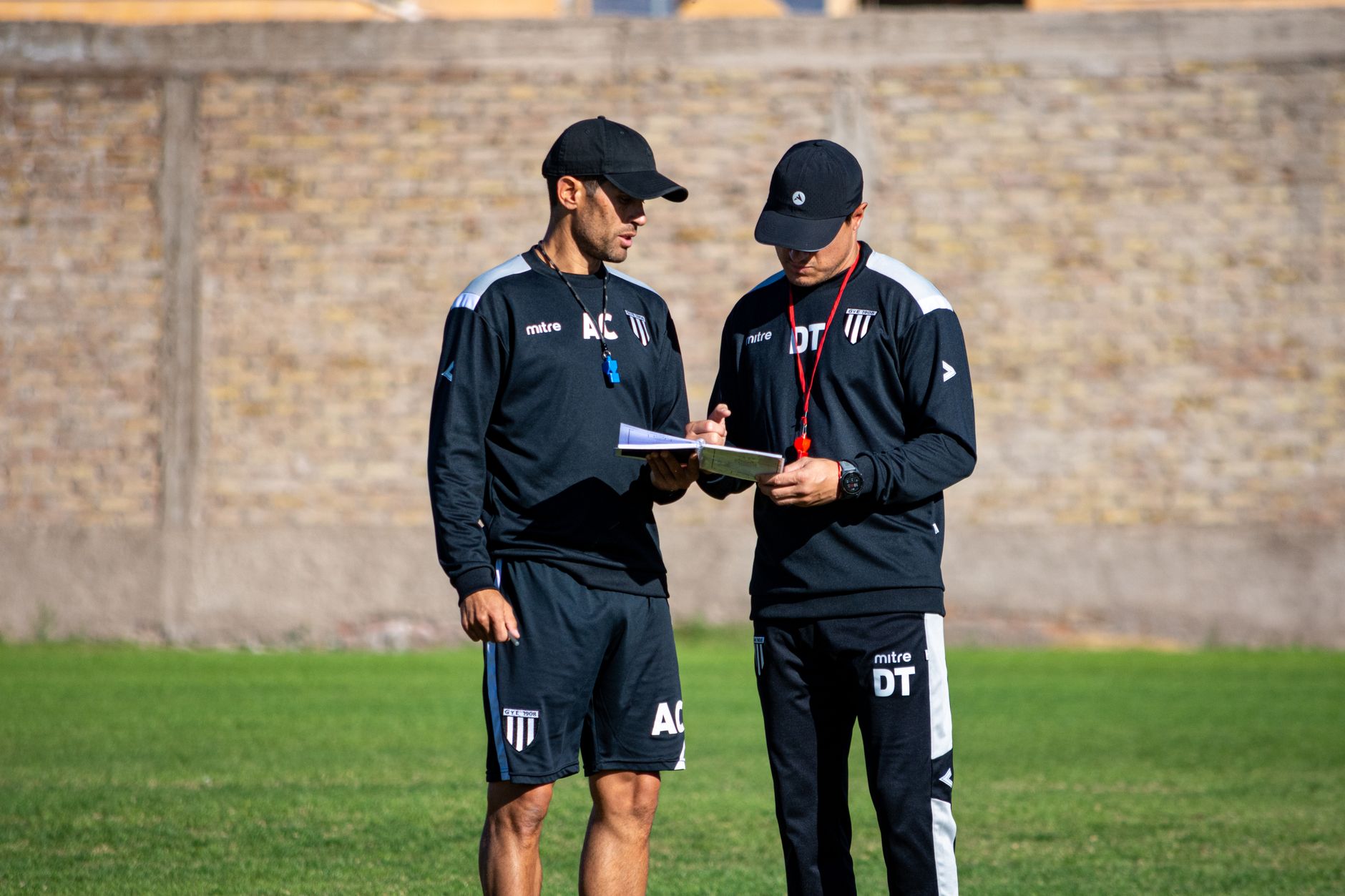
Photo by Franco Monsalvo on Pexels
The 30-day check-in
A disciplined college football workflow improves when you revisit assumptions after four weeks rather than defending an old preseason opinion. At the 30-day mark, compare projected strength with actual performance: opponent-adjusted efficiency, injury impact, turnover sustainability, offensive explosiveness, defensive tackling, and fourth-quarter execution. Check whether a highly rated quarterback has faced pressure, whether a supposedly weak defense is benefiting from turnovers that may regress, and whether the schedule was stronger or softer than expected. This approach is more informative than simply counting victories.
Create a compact review table with five columns: preseason expectation, current record, opponent quality, key personnel change, and next schedule difficulty. Add a sixth column for market movement if you follow betting lines. The goal is not to produce false precision; it is to expose where your original assumption broke. For example, a team projected as a conference contender may still have a strong record but show poor red-zone efficiency and a vulnerable offensive line. That combination should affect the next evaluation even if the scoreboard looks flattering.
For readers following the 2026 season, the major calendar checkpoints are straightforward: early nonconference games, conference play, rivalry weeks, conference championships, bowl selections, and the CFP run into January 2027. Keep ESPN’s schedule, NCAA coverage, official team reports, and reputable statistical sources open together. Use Match Daily for additional sports insight, but never treat any publisher as infallible. The safest conclusion is also the most useful one: verify the fixture, understand the context, then decide whether the game deserves your attention or your money.
Ready to build a more careful college football routine?
Frequently Asked Questions
Q: What is college football?
A: College football is American gridiron football played by university teams, primarily under NCAA competition. The top subdivision is Football Bowl Subdivision, or FBS, while Football Championship Subdivision, or FCS, uses a separate competitive and postseason structure. The sport includes regular-season games, conference championships, bowl contests, rankings, and the College Football Playoff. Its season generally begins in late August and concludes with championship events in January.
Q: How do I find the 2026 college football schedule?
A: Use ESPN’s 2026 college football schedule, then confirm important details through NCAA.com and the participating schools’ athletics websites. ESPN organizes games by week, conference, competition phase, broadcast network, venue, and sometimes odds. Check the season selector carefully because archived pages can display similar matchups from another year. For international games such as North Carolina versus TCU at Aviva Stadium in Dublin, also verify the local kickoff time.
Q: What is the difference between FBS and FCS football?
A: FBS and FCS are separate NCAA Division I football subdivisions with different competitive structures. FBS is the higher-profile subdivision associated with major conferences, bowl games, national rankings, and the CFP, while FCS teams compete through a dedicated playoff system. North Dakota State is an example of a prominent FCS program, whereas USC competes in FBS. Comparing their records without recognizing the division can produce a misleading analysis.
Q: Are college football rankings the same as betting odds?
A: No, rankings express evaluated team strength or résumé quality, while betting odds represent a market estimate of an expected result. A ranked team can be overvalued against a large spread, and an unranked team can be competitive because of injuries, matchup advantages, or roster improvement. Review the opponent, venue, quarterback status, rest, and line movement before interpreting a number. Odds are probabilities and prices, not promises.
Q: How should beginners analyze a college football matchup?
A: Beginners should start with division, venue, schedule strength, quarterback availability, and recent efficiency rather than relying only on the win-loss record. Next, compare points per drive, turnover margin, explosive plays, third-down results, sacks, and red-zone performance. Confirm every injury and kickoff time through NCAA, ESPN, or official school sources. Finally, establish a fixed entertainment budget and avoid chasing losses if wagering is legal where you live.
Q: Why can a college football schedule change my prediction?
A: A schedule changes prediction quality because opponent strength, travel, rest, and venue conditions influence performance. A team with a strong record against weak opponents may be less prepared for a ranked conference rival, while an international or neutral-site fixture can reduce a normal home-field advantage. Travel to Aviva Stadium in Dublin, for example, creates different preparation demands from a standard campus game. Recalculate after major injuries, transfers, or coaching changes.
Q: What should I check 30 days into the college football season?
A: At 30 days, compare preseason expectations with opponent-adjusted efficiency, current injuries, schedule difficulty, turnover sustainability, and performance in close games. Identify whether the team’s record reflects repeatable strengths or temporary outcomes such as unusually favorable turnovers. Review the next four opponents and any market movement separately from the rankings. This check-in prevents early headlines from controlling your entire 2026 college football evaluation.
For more practical context, browse [Internal Link: college football FAQs] and [Internal Link: responsible sports analysis guide].